
The hidden dangers of gambling addiction and its long-term consequences
Understanding Gambling Addiction
Gambling addiction, also known as compulsive gambling or pathological gambling, is a behavioral disorder that affects millions of people worldwide. It is characterized by an uncontrollable urge to gamble despite the negative consequences that often ensue. Individuals may start gambling for entertainment or as a social activity, but over time, it can develop into a compulsion that leads to financial, emotional, and social distress. Many players enjoy exciting options like Tower Rush free play as part of their gaming experience.
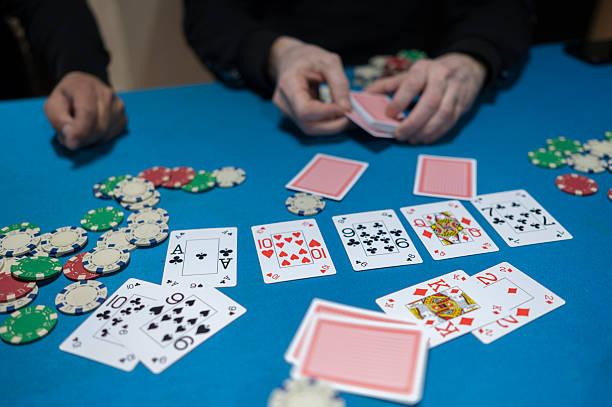
One of the primary misconceptions about gambling addiction is that it only affects those who gamble excessively. In reality, even moderate gambling can escalate into an addiction when individuals begin to prioritize gambling over essential aspects of life, such as family, work, and health. Recognizing the signs of this addiction is crucial for timely intervention and support.
The Psychological Impacts
The psychological effects of gambling addiction are profound and multifaceted. Many individuals experience feelings of anxiety, depression, and isolation as their gambling behavior spirals out of control. The stress of financial instability and strained relationships can further exacerbate these mental health issues, creating a vicious cycle that is difficult to break.
Moreover, the thrill of gambling can lead to an emotional rollercoaster, where moments of excitement are followed by devastating lows. This emotional volatility can impair decision-making and judgment, causing individuals to chase losses and engage in riskier gambling behaviors. The psychological toll can lead to severe consequences, including substance abuse and suicidal ideation.
Financial Consequences of Gambling Addiction
The financial ramifications of gambling addiction are often staggering. Many individuals find themselves in significant debt, draining savings, or even resorting to illegal activities to fund their gambling habits. This financial strain can result in the loss of assets, home foreclosure, or bankruptcy, leaving individuals and their families in dire situations.
In addition to personal financial loss, gambling addiction can strain relationships with partners, family members, and friends. Trust is often eroded as debts accumulate and the compulsive gambler becomes more secretive about their activities. The pressure of financial instability can lead to conflicts and breakdowns in communication, ultimately resulting in broken relationships and social isolation.
Long-Term Health Effects
The long-term health effects of gambling addiction extend beyond psychological damage and financial ruin. Chronic stress and anxiety associated with compulsive gambling can lead to physical health issues, such as cardiovascular diseases, gastrointestinal disorders, and sleep disturbances. The toll on a person’s health can result in a lower quality of life and increased healthcare costs.
Moreover, the lifestyle changes that often accompany gambling addiction—such as neglecting exercise, poor dietary choices, and substance abuse—can compound these health issues. Individuals may find themselves trapped in a cycle where the pursuit of gambling leads to worsening physical and mental health, making recovery all the more difficult.

Seeking Help and Resources
Recognizing the hidden dangers of gambling addiction is the first step toward recovery. Various resources are available for individuals struggling with gambling-related issues, including therapy, support groups, and financial counseling. Professional help can provide individuals with coping strategies to manage their addiction and rebuild their lives.
Websites that promote responsible gaming, like Tower Rush Canada, offer insights into safe gambling practices and the importance of setting limits. They can also provide access to resources for those seeking help, ensuring that individuals are not alone in their struggle against addiction. Ultimately, awareness and proactive measures are key to preventing the devastating long-term consequences of gambling addiction.
Leave a Reply